Thinking a-politicized peace: Reflections from Kazakhstan
In this talk, Filipp Semyonov introduces the idea of ‘a-politicized peace’ as a heuristic category that sheds further light on the persistence of postcolonial structures within Kazakhstani society. He examinse how everyday peace is framed as inherently outside of politics, i.e., imagined as natural, universal, and uncontested. The issue, however, is that rendering societal antagonisms […]
Two-Year Extension Granted for the Research Network Postcolonial Hierarchies in Peace and Conflict
We are pleased to announce that the competence network Postcolonial Hierarchies in Peace and Conflict(Hierarchies) has been granted a two-year extension by the BMFTR, beginning 1 April 2026. Hierarchies examines how historically rooted postcolonial power structures shape contemporary conflicts and influence sustainable conflict transformation. The network critically engages with peace and conflict practices, the transfer […]
Rirhandu Mageza-Barthel
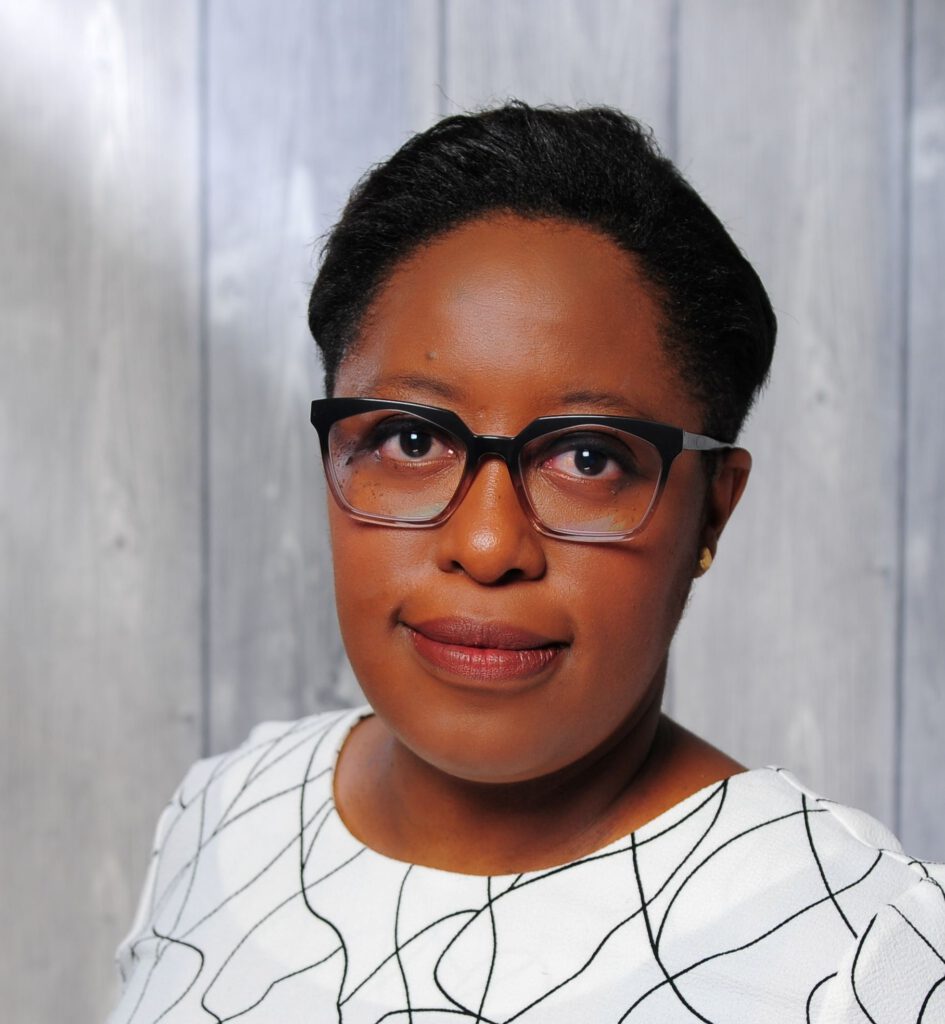
Rirhandu Mageza-Barthel is a Senior Researcher at the University of Marburg’s Center for Conflict Studies. Trained in Political Studies and with an interdisciplinary background, her research interests situate themselves on the cusp of peace, development and international studies.
Re-thinking Peace and Conflict Studies in a Postcolonial World
„Re-thinking Peace and Conflict Studies in a Postcolonial World“ is the concluding conference of the Postcolonial Hierarchies in Peace and Conflict network. The goal is to bring together researchers from the network, its partner institutions and local scholars to discuss themes of the network as well as recent developments in postcolonial studies. It focuses on […]
Presidential Breakdowns: The Actions of Public Forces Against Nonviolent Movements in Ecuador (1997, 2000, and 2005)
This open lecture by María Belén Garrido explores the factors that shaped the behavior of Ecuador’s Armed Forces and Police during three presidential breakdowns—1997, 2000, and 2005—triggered by nonviolent movements. It analyzes institutional, political, and social dynamics influencing public force decision-making, including historical shifts in military doctrine, relationships between the government and security forces, and […]
Legacies of Liberation: Revisiting Peace Studies in Contentious Times
In a context of ongoing wars and heightened social tensions the field of peace and conflict studies, which has long sought to explain the dynamics of war and efforts at peace, offers a range of perspectives. Some of these emanate from the Global South and speak to experiences of conflict and international politics there. The […]
Open Lecture: „The city as body“ by David G. Miranda

David G. Miranda develops an interdisciplinary analysis examining the complex relationship between body, public space, and artivism during the Chilean Social Uprising (2019-2020), a phenomenon that transformed the city into a corporeal extension of social protest. Through a comprehensive study of over 300 photographic records documenting urban artistic interventions and feminist artivist practices, David […]
Challenging research, disrupting insights: Taking stock of the project beyond „results“ (19. May 2025)
The project started with questions about the effect of historically grown postcolonial hierarchies on contemporary conflicts, the legacy of postcolonial hierarchies in peace initiative and ways to transform these, as well as postcolonial hierarchies in peace epistemologies. Three years into the project, multiple insights and answers to those questions have emerged or are currently taking […]
Dissident Genders and Sexualities in the Andes: Interventions in Transitional Justice
https://youtu.be/I49AYxhR73U?si=KrMQgURXdhmvaXxA n this video, Prof. Dr. Pascha Bueno-Hansen explores key insights from their book project „Dissident Genders and Sexualities in the Andes.“ Drawing on a qualitative approach termed „Activist Interpretive Protagonism“, the book examines how people of non-normative genders and sexualities in Peru, Ecuador, and Colombia have resisted armed conflict, political repression, and authoritarianism. Through the […]
Biruk Terrefe
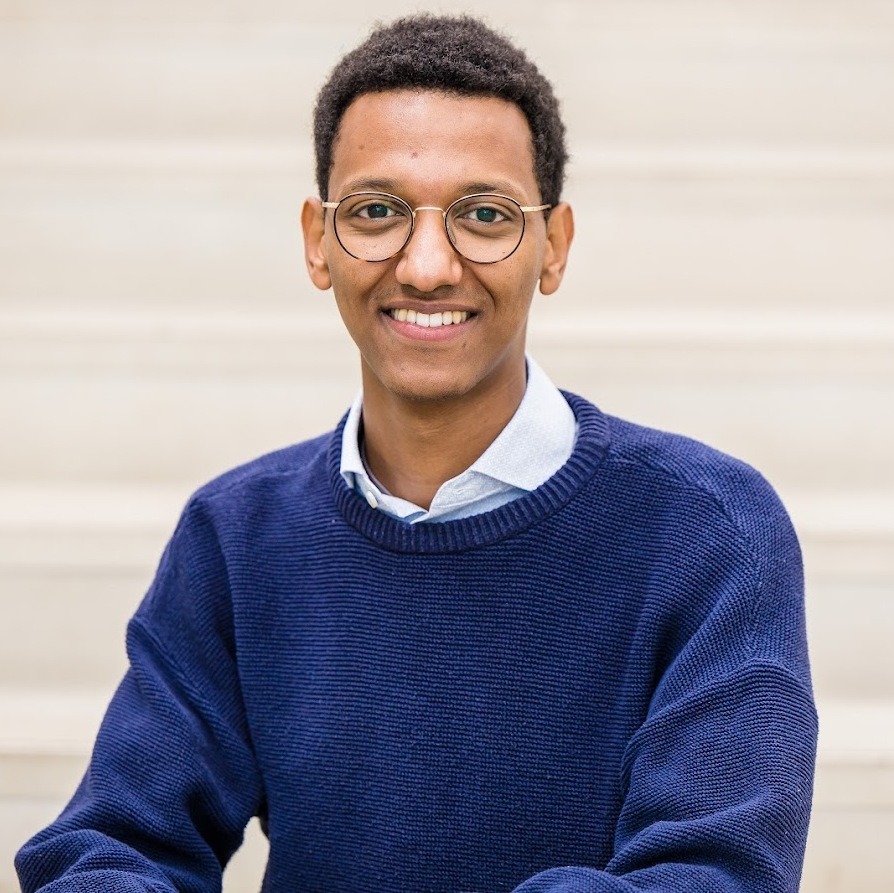
Biruk’s research lies at the intersection of Political Science, Development Studies, and Geography with a focus on how infrastructure projects and urban spaces relate to the politics of statecraft in Africa. His current research agenda investigates the relationship between infrastructure and state-building, particularly how large energy, transport, and logistics systems have shaped (and are shaped […]